

Special Populations/Crisis Situations Require Special Planning
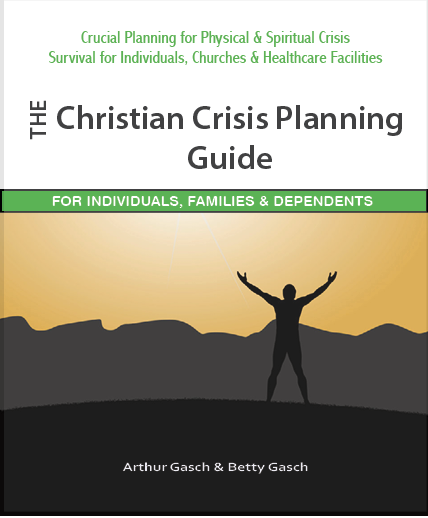
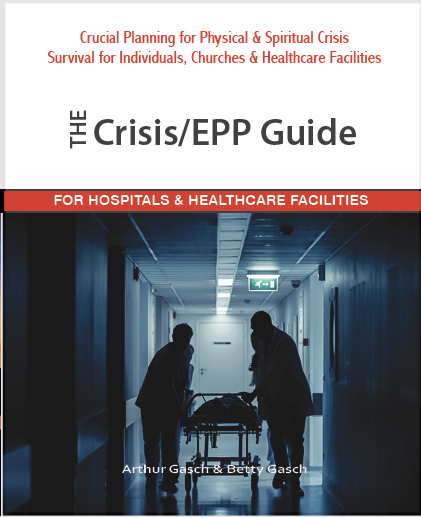
That's why there are three different Crisis/EPP Guides
New - HOSPITAL, ON-SITE ACCOMMODATIONS?
During the next pandemic, controlled by the World Health Organization (WHO), nurses and doctors may have to sleep at medical facilities due to quarantine requirements imposed by the WHO. Staff may be required to take additional risky, experimental gene therapy vaccinations without informed consent about their side effects or long-term risks. If staff become infected at home, they can bring the pathogen into the hospital. How many more excess deaths will be uncovered after the fact? Will all medical staff family members also be required to have vaccinations? What will the WHO rule?
If family members at home become infected, hospital staff can bring the pathogen into the hospital. Will quarantines be mandatory during the next pandemic, and will they be enforced by law enforcement or the military? What assumptions are included in your current EPP? Do hospitals assume 1) staff will show up, and staff won't need to sleep over at the hospital after shifts in the next pandemic? What are EPP's assumptions about staff housing and food requirements on-site? What additional security threats and prevention measures are anticipated?
How executable will your hospital's EPP be if you ask staff to do things they are unprepared or unwilling to do?
HELPING HOSPITAL IMPROVE EPPs
MSP uses its previous hospital relocation planning experience and the lessons learned from Superstorm Sandy and the COVID-19 pandemic to help clients better prepare for future incidents of regional or national significance.
The global health challenges introduced by WHO's management of pandemics highlight the need for proactive planning, which MSP can help strengthen.
Let's talk about what can be done to reduce interrupted hospital supply chain shortages, provide better care to patients stuck in isolation units and enhance communication with other family members.
MSP can provide an EPP Review to suggest improvements to your current plan, making it more resilient and demonstrating how these enhancements can improve patient safety and operational efficiency. This 'second opinion' also focuses on a risk assessment calculation for multi-system (Cascade) failures, helping decision-makers justify investments in technology and staff training for future crises.
The MSP Series of Crisis/EPP Preparedness Guides
The MSP series of Crisis Planning Guides addresses the planning needs of diverse populations, including Individuals, social living Communities, Religious and Healthcare Facilities to explore the risk and the solutions that will make these populations more resilient and better able to survive future pandemics, biological, cyber and other "new" crises. These organizations need to understand the limitations of government and FEMA assistance available that will be available during nationwide emergencies. Where did Covid-19 come from? Here are two thought-provoking videos. You can click here to watch both and judge whether they are credible.
STAFF ABSENTEEISM DURING PANDEMICS
If you put patients in the position of choosing between caring for their families and showing up at work, are you surprised they will choose to care for their families?
Even if your facility has an extensive Emergency Preparedness Plan, staff won't attend a crisis unless they feel their family is safe and well-prepared.
If your EPP doesn't include a component for your staff's Family Crisis Plan, absenteeism can be significant.
People will generally prioritize families before employers. If staff don't show up, who will execute their part of the Emergency Preparedness Plan (EPP)?
The Crisis Planning Guide for Individuals is the tool needed. Hospitals should purchase copies of that Guide in bulk for every employee and help them use it. (Quantity discounts are available). Healthcare facility EPP Coordinators should conduct Personal Crisis Planning sessions for the entire staff. We suggest you start with housekeeping - without whom you won't have a clean, bacteria & virus-hostile facility. Housekeeping's role in a pandemic or chemical contamination is crucial, yet their families are among the least prepared to survive a crisis. Could you help your staff prepare for the next pandemic?